It’s estimated more than two-thirds of boating fatalities in NZ may have been prevented if lifejackets were worn, so follow the rules and stay safe.
It doesn’t matter if you won’t be far from shore, you think you’re a strong swimmer or you’re worried you’ll look silly, there’s no excuse for not wearing one. Regardless of whether you’re on a stand-up paddleboard (SUP), kayak, boat, jetski or any other watercraft, the same rules apply.
From 1 October in the Bay of Plenty:
For recreational craft 6 metres or less while underway:
A correctly fitting lifejacket must be worn by everyone onboard any recreational craft 6 metres or less while underway.
The rule applies to all people using paddleboards, jet skis, dinghies, trailer sailors and powerboats.
Any person being towed, must wear a securely fastened lifejacket, such as when waterskiing or wakeboarding.
All vessels:
Must carry enough correctly fitting lifejackets for everyone onboard.
Lifejackets must be worn in situations of heightened risk such as when crossing a bar, in rough weather, or during an emergency.
National lifejacket rule
New legislation has recently passed that will introduce a consistent lifejacket rule across all New Zealand waters. The Maritime Transport (Lifejackets on Recreational Craft) Amendment Act, due to come into effect on 9 October will also require properly-fitted lifejackets to be worn by everyone onboard any recreational craft 6 metres or less while underway and is consistent with the new Bay of Plenty lifejacket rule.
Choosing the best lifejacket for the job
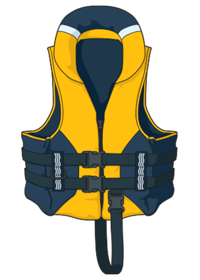
Life jackets come in different styles, buoyancy levels and sizes. The best choice depends on your activity, where you are boating, how far you will be from shore, your swimming ability and your body weight.
Look after your lifejacket
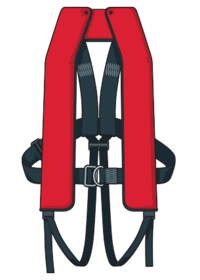
Life jackets need regular care and checks. Foam life jackets are generally simple to maintain, while inflatable lifejackets need extra care and regular servicing, so they work when needed.
Children need a lifejacket that fits them now. Do not buy a larger size for them to grow into. If a lifejacket is too loose, a child may slip out of it in the water.
Many children’s life jackets include adjustable crotch straps to help stop the jacket riding up. These straps should always be fitted and secured.
Inflatable life jackets are not recommended for children under 12.
These are comfortable options for adults and children taking part in activities such as kayaking, paddleboarding, dinghy sailing and general boating close to shore.
They help keep you afloat while you tread water or swim to safety.
They usually have lower buoyancy than other jacket types, so they are not ideal for coastal or offshore voyages.


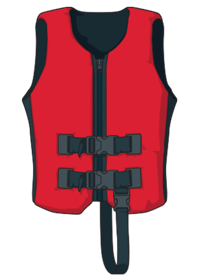 These are comfortable options for adults and children taking part in activities such as kayaking, paddleboarding, dinghy sailing and general boating close to shore.
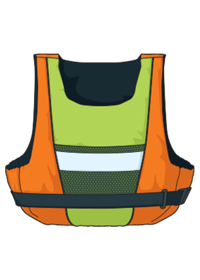 These life jackets are designed specifically for paddle sports.