Skip to main content Skip to footer
Menu
gold clam aquatic pests illustration gold clam aquatic pests illustration

Check, Clean, Dry, Certify

Be a waterway hero – check, clean, dry, certify to stop the spread of freshwater pests in our lakes and rivers.

What's the threat?

  • Freshwater clams can produce up to 400 offspring a day, around 70,000 a year and they are self-fertilising! Once they reach a new location they take over, clog water pipes and compete with native species for food and habitat.

  • Catfish create and thrive in poor water quality conditions and prey on kōura (native freshwater crayfish). They can survive outside of water for up to 48 hours, so if they hitch a ride on your boat and gear you can guarantee their spread.

  • Hornwort is a terrible freshwater weed. It creates free floating mats that can grow so big that they completely shade out entire areas of lakes, preventing the growth of native flora and fauna. 

All it takes is one tiny catfish egg, a small piece of hornwort or a single clam to start an invasion! The same applies to the spread of other lake weeds and freshwater pests – once they’re established, they take over, which is why we need your help!

Do your bit to stop the spread

If you’re heading out on the Rotorua Te Arawa Lakes, you must check, clean, dry and certify that your vessel (boat, jet ski) and trailer are free from these pests.

How?

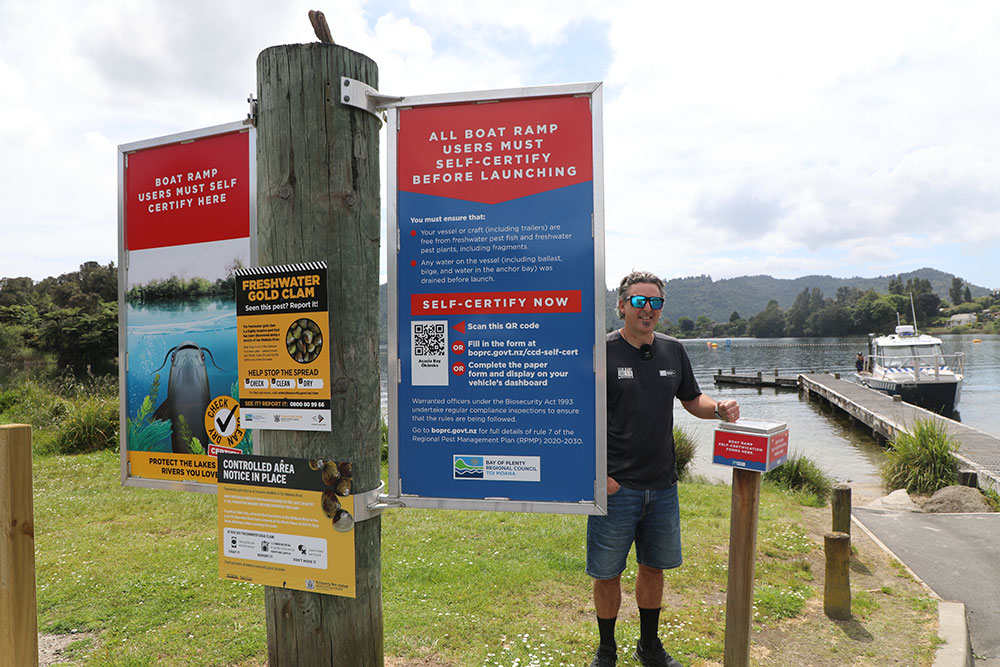
To make things faster and easier, boat ramp users can self-certify online, either by using the QR code found at each boat ramp or by completing the online form below. The paper forms at the boat ramps will still be available – if using these, skippers need to complete the self-certification form, sign it and display it on the dashboard of the car that is towing the trailer. 

The Bay of Plenty Regional Pest Management Plan 2020–2030 requires all public boat ramp users to certify that their boat is free from freshwater pests (where a self-certification checkpoint is present). 

Everyone can play their part by following the rules:

  1. No person shall leave boat trailers in any water body other than for the purposes of launching and/or retrieving boats. 
  2. No person shall transport ballast water from any water body to any other location. 
  3. All occupiers of vessels or craft entering any water body within the Bay of Plenty shall check, clean and dry their vessels or craft (including trailers) to ensure they are free from freshwater pests including fragments.
  4. All occupiers of vessels or craft using a boat ramp with a self-certification checkpoint must complete a supplied certification form. 
  5. All recreational equipment (including fishing, diving, waterskiing, buoyancy equipment and waders) is free of freshwater pests. 
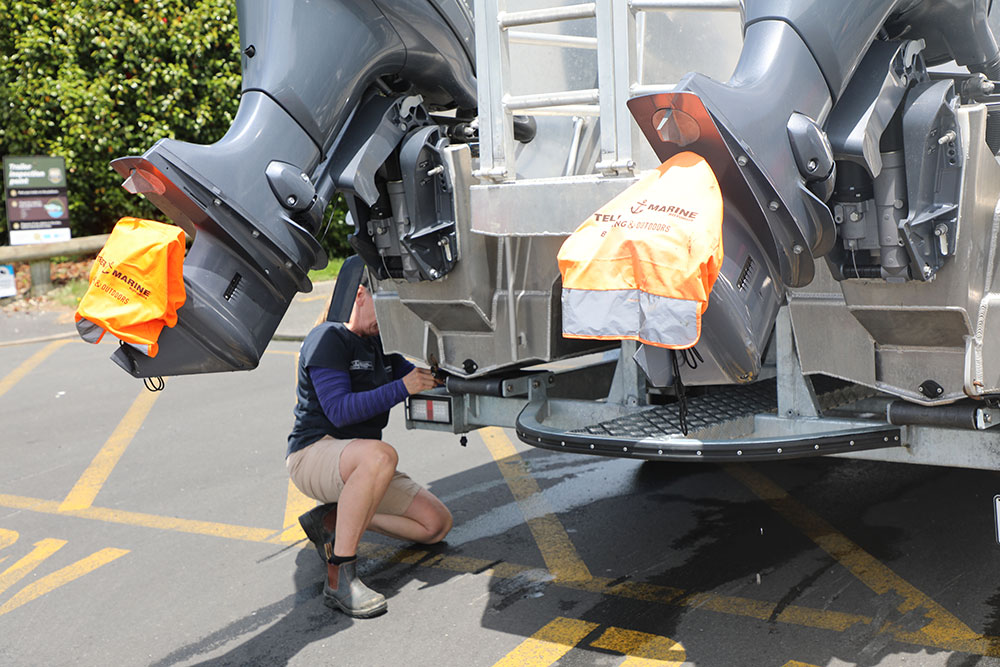
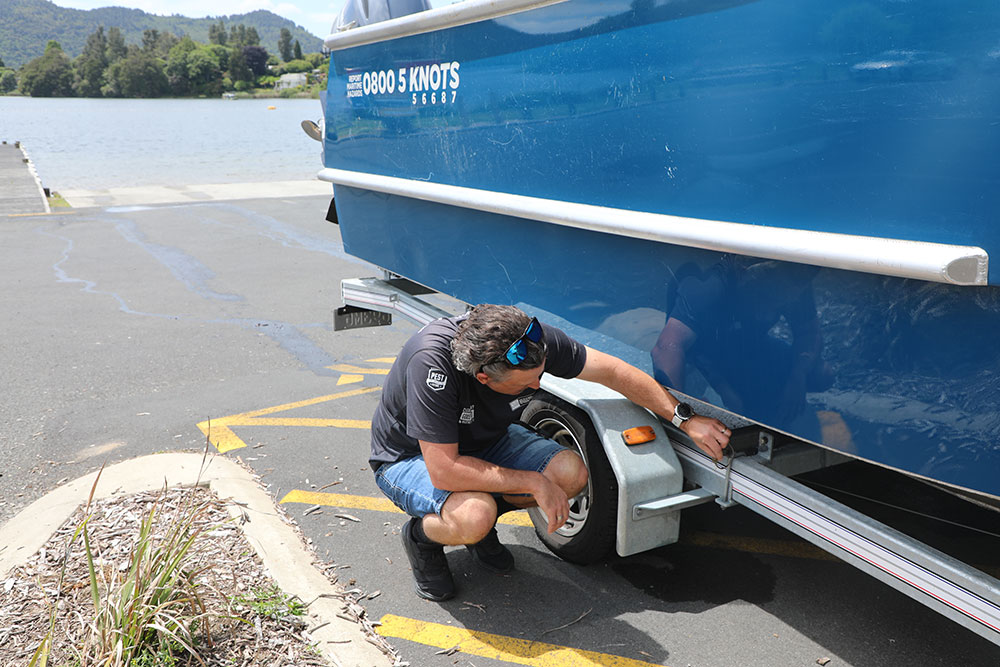
Check: for what's visible

Remove weeds, mud, or clams from your watercraft and gear. Leave them at the river or lake bank or put it in the rubbish.

Drain all river or lake water from your boat and gear beside the waterway.

Clean: for what's not visible

Blast your watercraft and gear with tap water onto grass, not into a stormwater system or drain.

Treat gear made from absorbent materials using one of these 3 treatments.

  1. Soak in 10% dishwashing detergent for 10 minutes.

  2. Soak in hot tap water (50°C to 55°C) for at least 5 minutes.

  3. Freeze till solid (overnight).

For a full list of approved treatments, including options for situations where none of the 3 treatment is suitable, refer to our document about treatment options

You should also refer to the manufacturer's instructions before treating the gear.

Dry: to be sure

Gear: allow gear to dry to touch, inside and out, then leave it to dry for 2 days (48 hours) before using again.

Watercraft: dry areas inside the watercraft where water has pooled and then leave the craft to dry for 2 days (48 hours).