
- Keep an eye out for the young seedlings and pull them out.
- Remember that touching the leaves & stems can sometimes cause irritations so use gloves and a mask.
Wipe out Woolly nightshade
Do your bit to help wipe out woolly nightshade in the Bay of Plenty.
We are helping landowners across the region to take responsibility to stop the spread of woolly nightshade. It’s a nasty plant, produces a lot of seeds and matures very quickly. If everyone takes action to pull up seedlings or control plants on their property, it all makes a difference.
 Have you got mature woolly nightshade plants on your property?
Do you need one of our woolly wipeout starter kits? Fill in our contact form and mention ‘Woolly wipeout’ and we will follow up with you to arrange it.
Why is it a pest?
- It forms dense stands which crowd out all other plants.
- It flowers continuously during the warmer months, producing lots of seeds.
- Birds eat the berries and can spread the seeds long distances, including native bush.
- Seedlings established in summer can go on to grow and produce seeds by autumn in the same year.
- Seeds in the soil can germinate up to 20-30 years later.
- The dust from the leaves and stems can irritate the skin, eyes, nose, and throat.
- The berries are poisonous to humans, cattle and pigs if eaten.
How you can help
Find out what tools and advice are available from us.
If you have established plants on your property
- Contact our Customer Services team to talk about getting a “Woolly nightshade treatment kit” and a demonstration from one of our team on how to best to control them.
- Call the customer contact team 6am – 6pm on 0800 884 880 to register your details or email info@boprc.govt.nz
If your neighbour has woolly nightshade on their property
- The activity is focused on helping people to take personal responsibility for controlling woolly nightshade.
- If your neighbour has woolly nightshade tell them about this activity and encourage them to get involved.
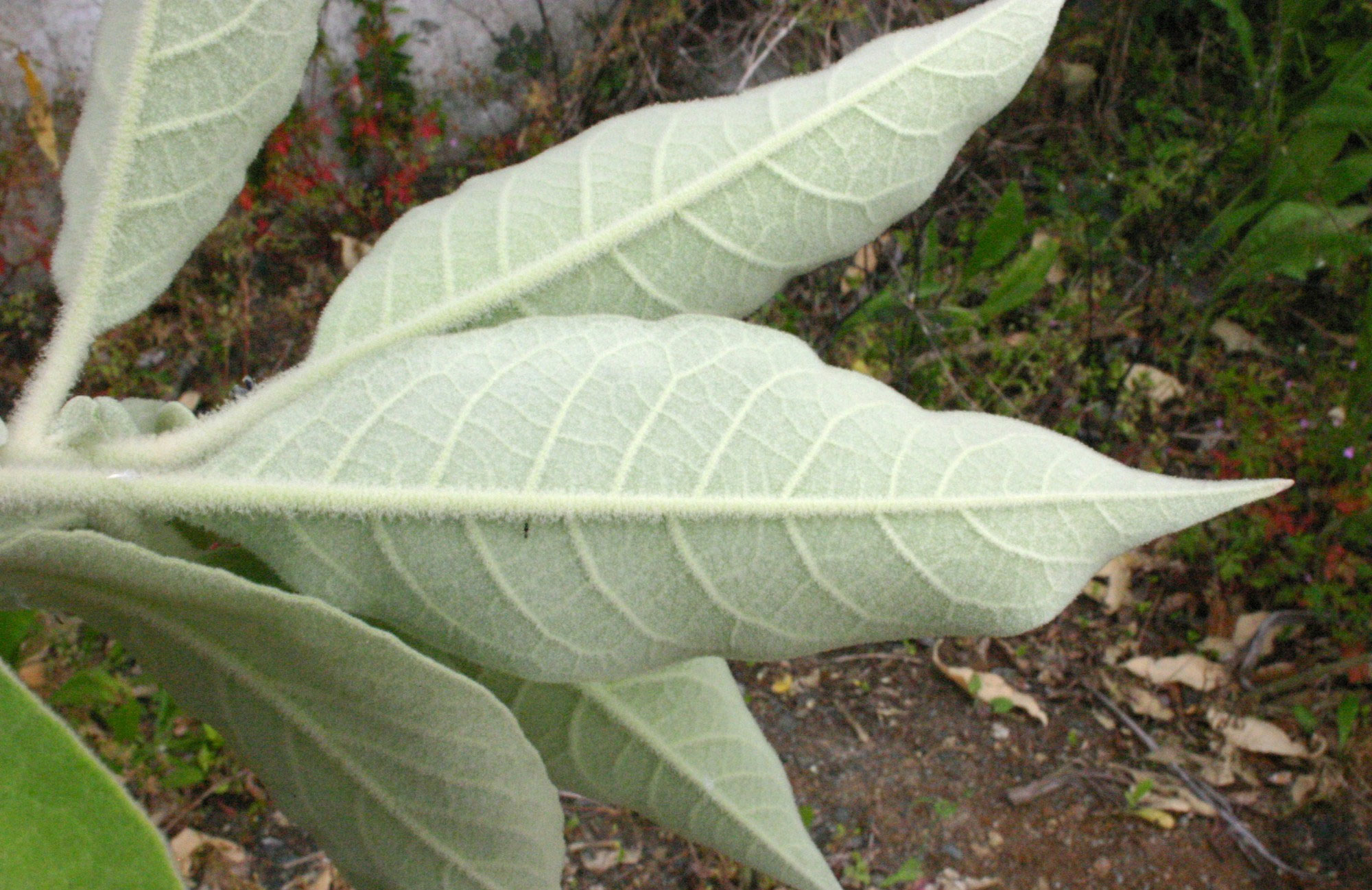
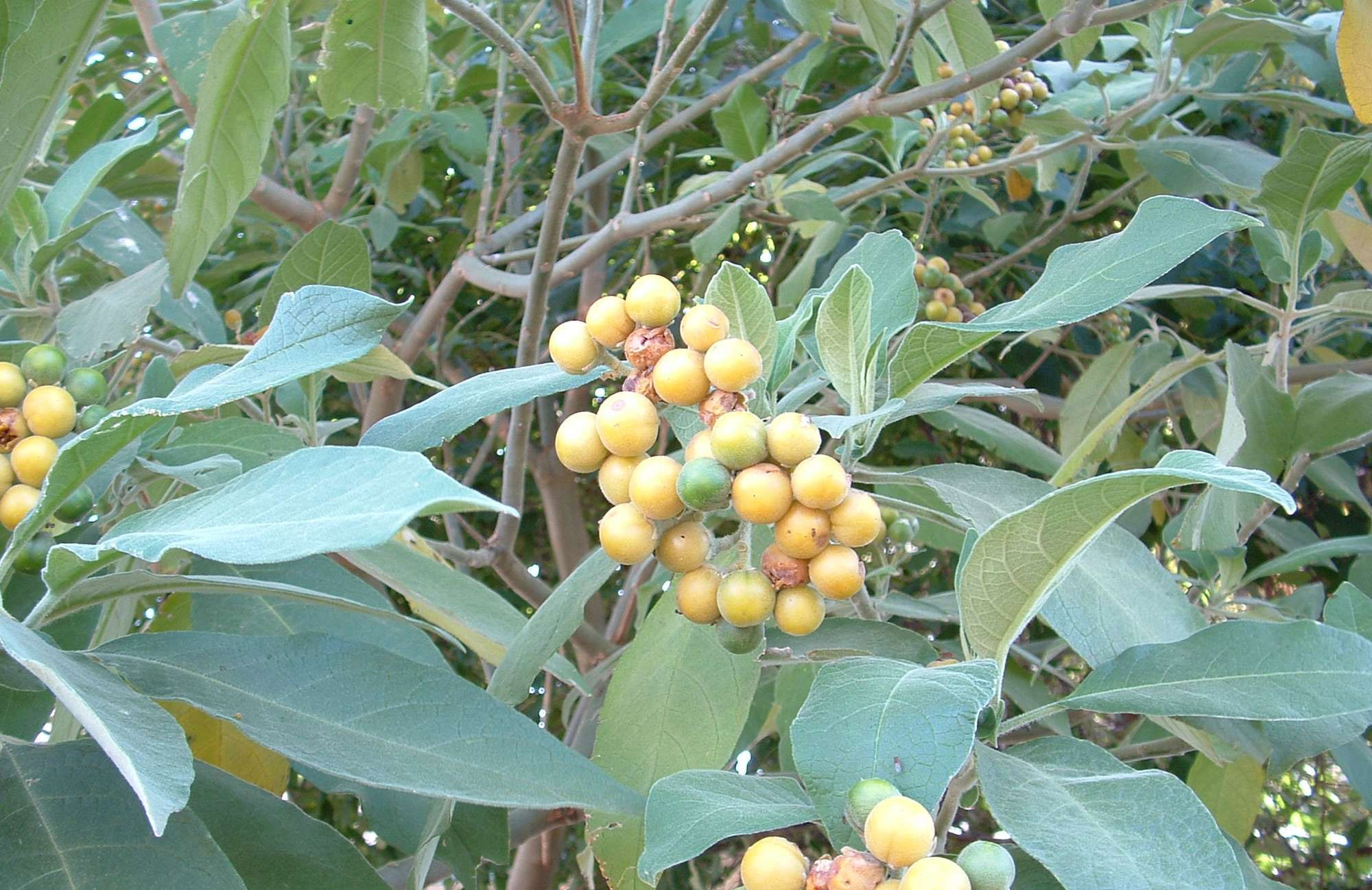
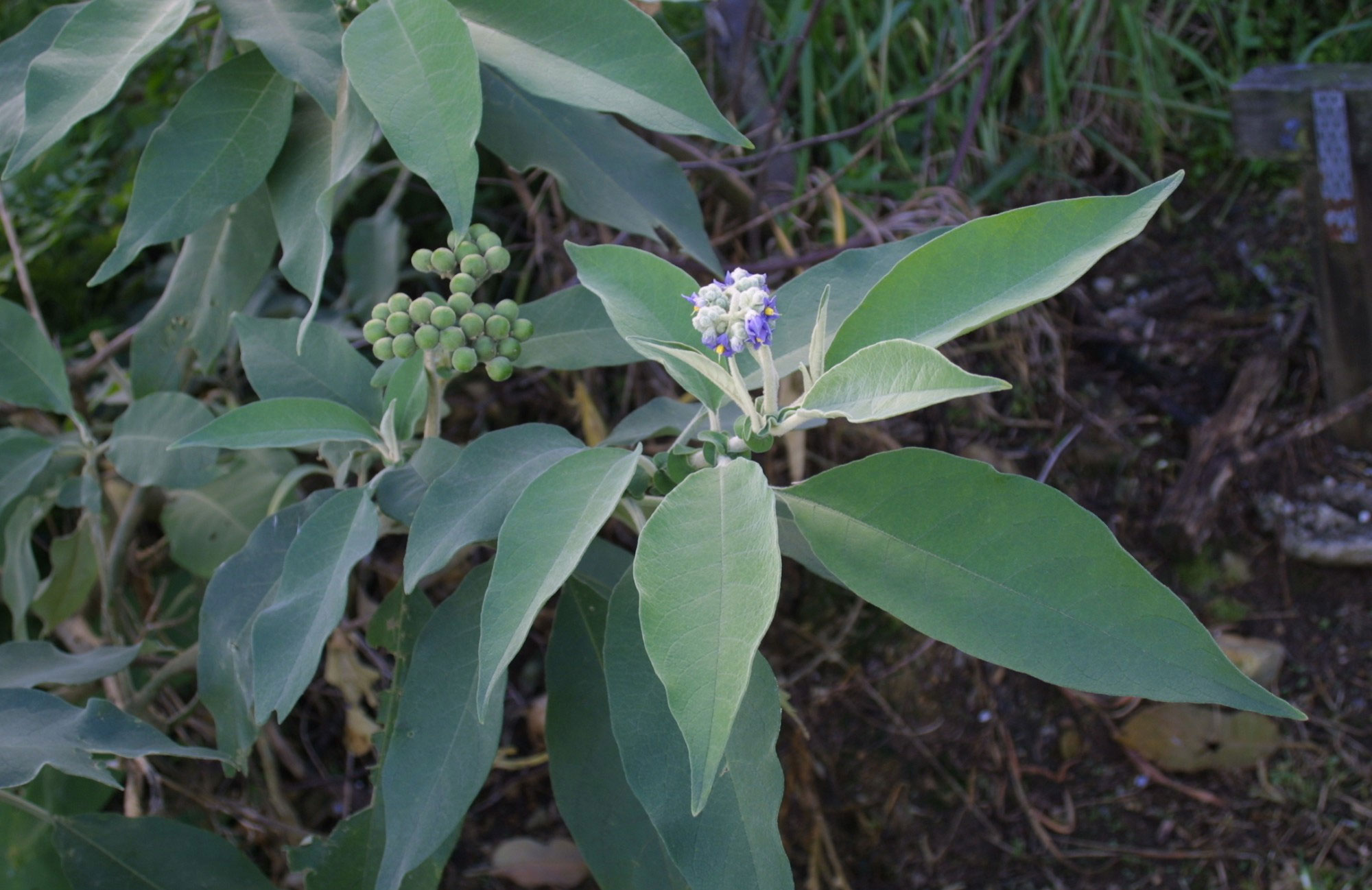
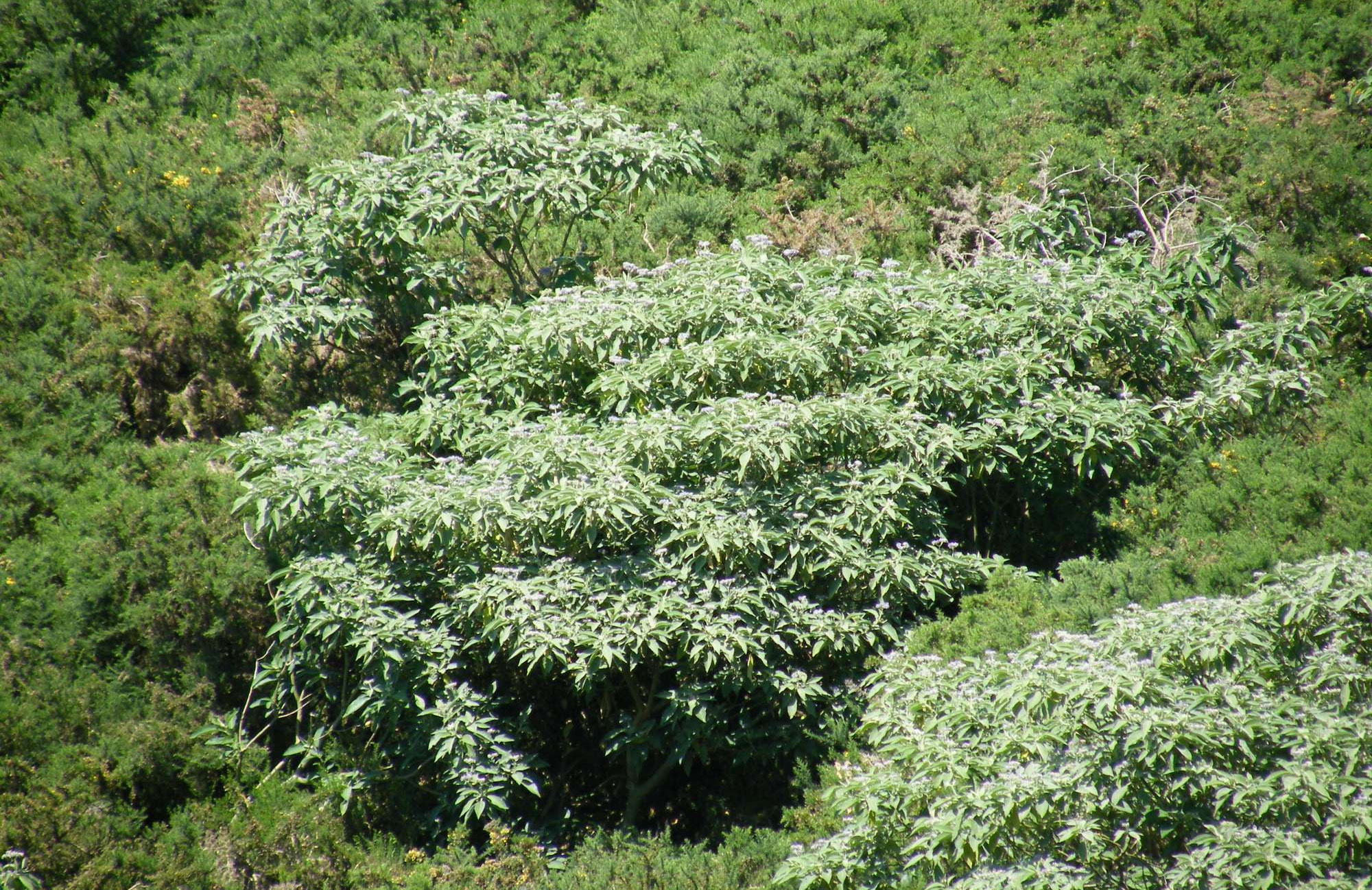
What does woolly nightshade look like?
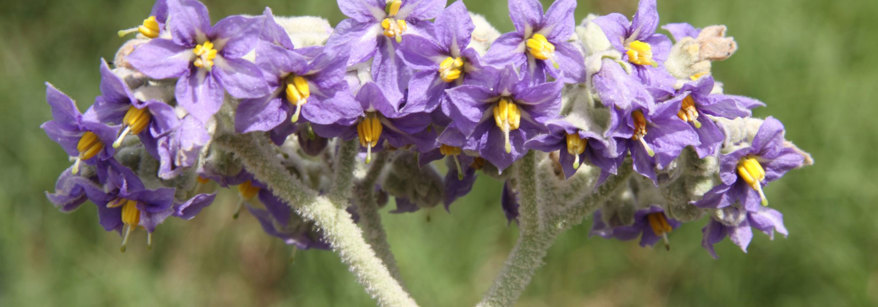
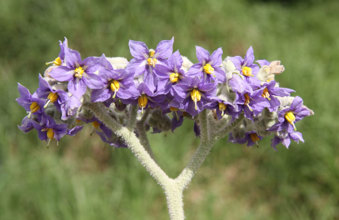
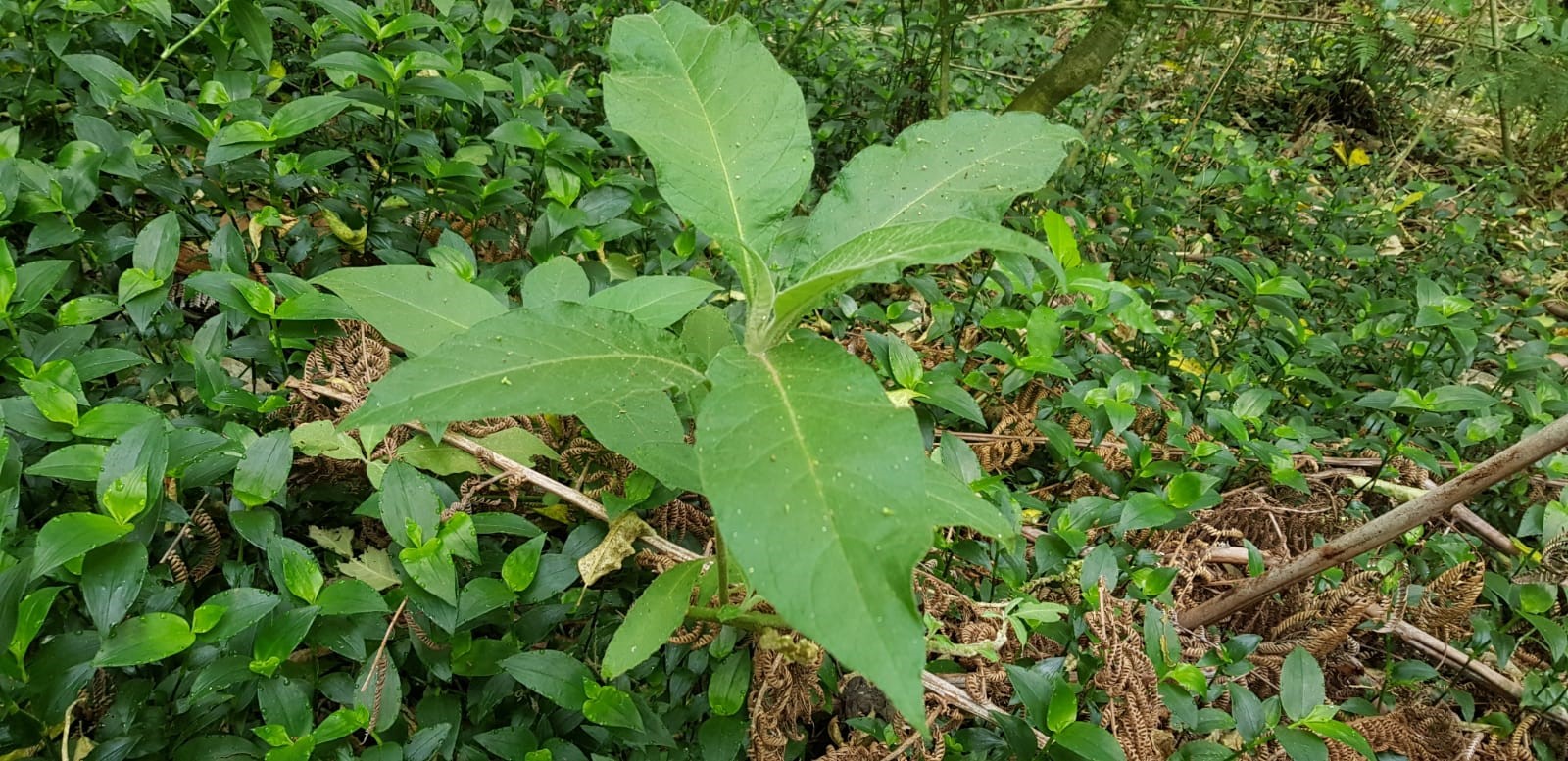
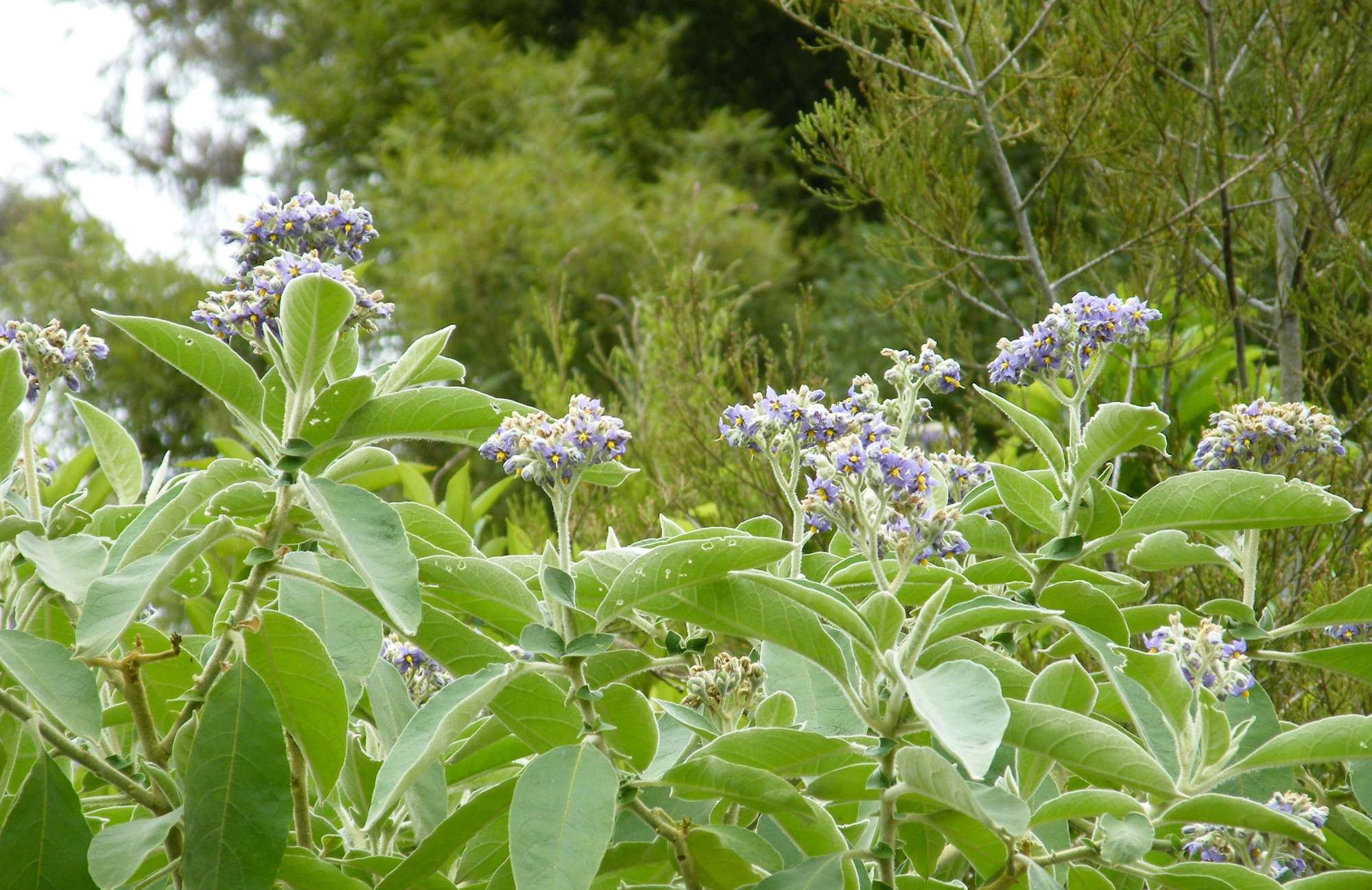
- It is quite distinctive with all parts of the plant covered in short dusty hairs, and whitish, branching, soft-woody stems.
- Dense clusters of mauve to purple flowers during the warmer months, followed by clusters of round berries that ripen from green to dull yellow.
- Leaves have a strong astringent kerosene like smell especially when rubbed or crushed.
- Spreading, shrub or small tree which grows up to 10m tall.
Find out more about woolly nightshade and the rules that apply to landowners/occupiers.
How to get rid of it
Manual
- Seedlings and small plants can easily be pulled up or dug out.
- Shake off excess soil and either leave on the ground to rot down or put in with the green waste
Spraying
- Most suitable for a large number of smaller plants
- Ensure thorough coverage of the plants with a light spray
- With a knapsack use triclopyr/picloram mix (eg Tordon brushkiller) - 60ml per 10L water
- With a handgun use triclopyr/picloram mix (eg Tordon brushkiller) – 300ml/100L water
Cut & paste
- Cut the plants down as close to the ground as possible
- Use the cut & paste herbicide provided following instructions included
- Alternative herbicide is glyphosate (e.g. Roundup) at 1 part glyphosate to 4 parts water.
- Use at any time of the year for scattered plants
Stem frilling and injecting
- Refer to the video for detailed instructions on this technique
- Can be used at any time of year for larger plants
- It is important that all cuts overlap for this technique to work
- Recommended herbicide is glyphosate (e.g. Roundup) used at label recommendations.
The woolly nightshade lacebug was released in some parts of the Bay of Plenty in 2011.
The lace bugs feed on the leaves of woolly nightshade, drying them out and stunting the growth of the plant. This prevents plant reproduction, reducing spread, and can eventually cause the plant to die. Lacebugs do especially well in shaded areas such as under pine trees.
Facts about lace bug:
- The lace bug is 5mm long.
- Like woolly nightshade, lace bugs are native to South America.
- Female lace bugs can lay up to 900 eggs 0.5mm in length.
- The lace bug has been used successfully as a biocontrol agent in South Africa for over two decades.